Every time a storm rolls through, phones light up at roofing companies with the same questions and the same assumptions. After two decades on roofs in heat, frost, and everything between, I have seen well meaning homeowners waste money chasing the wrong fix, or worse, turn a small problem into structural damage because they trusted a myth. Good information protects a house. It also stretches a dollar.
This is a field guide to the most persistent roof repair myths, written from job sites and attic inspections, not a marketing desk. I will explain where each myth comes from, what the work looks like when you do it right, and how a seasoned roofing contractor decides between repair and roof replacement. Along the way I will pull back the curtain on pricing, warranties, materials, and the judgment calls that separate a quick patch from a lasting solution.
Why myths stick around
Roofing hides in plain sight. You see shingles, but not the underlayment, flashing, fasteners, or ventilation that keep the system dry. Repairs happen above eye level, often after a storm when adrenaline and urgency run high. Add a few viral videos of miracle sealants and you get a perfect recipe for half truths.
A roof is a system, not a skin. Water runs, wicks, and finds the tiniest gaps. Heat builds, wood moves, and fasteners work loose. Professional roofing contractors learn to read these patterns. Myths usually ignore them.
Myth: All leaks start where you see the water
A wet ceiling over the living room rarely means the hole is right above the wet spot. Water will travel uphill under wind pressure, laterally along rafters, and downhill on the underside of sheathing before it drips. In one two story colonial, a brown stain appeared in a hallway, ten feet from a bathroom fan. The homeowner had caulked the fan vent three times. The leak was actually a split in step flashing around a chimney thirty feet away. The path ran along a rafter, under insulation, and finally down a drywall screw.
Experienced roofing repair companies start with the most likely water entry points, not the obvious stain. That usually means penetrations, transitions, and edges. Plumbing boots dry and crack around year 8 to 12 on many homes. Step flashing can separate where walls meet a roof plane. Valley flashing can lift if nails back out. A careful inspection uses a moisture meter in the attic, checks sheathing for dark lines that show a flow path, and then evaluates the exterior components in sequence.
The truth here is simple and demanding. Track the water upstream. Replace failed components, not just the visible damage. Sealants belong at joints designed to be sealed, not as a universal patch.
Myth: Caulk or roof cement fixes everything
There is a place for sealants. On metal roofs, high quality butyl tape and compatible sealants can stop a capillary leak in a lap seam. On asphalt shingles, a dab of plastic cement under a lifted tab can prevent wind uplift. But when a shingle cracks, a flashing joint opens, or the underlayment fails, caulk buys time at best.
I have returned to homes where a previous contractor buttered a chimney saddle with a trowel full of cement. It held until the next freeze thaw cycle, then water got behind it and rotted the sheathing. The right fix was new step and counter flashing cut into the brick, plus an ice and water barrier up the vertical face. The material cost difference was a few hundred dollars, the labor difference was a day, and the durability difference was a decade or more.
Manufacturers also have opinions that matter. Many shingle warranties specify where, how, and even which sealants can be used without voiding coverage. A blanket of tar across an eave can stop shingle tabs from venting heat, accelerate granule loss, and hurt resale value. roofing contractor estimate Good roofing contractors treat sealants as a tool, not a cure all.
Myth: If a roof is not old, it cannot need repair
Age helps, but weather wins. I have replaced pipe boots on 7 year old roofs and re secured ridge vents on 3 year old roofs that saw a hurricane. Fasteners back out under thermal cycling, especially where decking was nailed into thin or over spanned rafters. Hail can bruise a relatively new shingle and start a slow leak months later as granules shed and the mat weakens.
Material matters too. Architectural asphalt shingles last 18 to 30 years in many climates, while basic three tabs often tap out at 12 to 18. Metal panels can push past 40 years, though exposed fastener systems usually need refastening or screw replacement roughly every 10 to 15 years due to washer degradation. Synthetic slate can exceed 50 years if installed properly, but flashing still ages like any metal. A younger roof can need targeted work because components wear on different timelines.
The right approach is to match the fix to the failure and the remaining life of the system. On a 9 year old asphalt roof with a single bad valley, a proper valley rebuild makes sense. On a 22 year old roof with multiple brittle shingles, blistering, and soft decking near the eaves, a patch is likely wasted money. That brings us to the most argued myth.
Myth: Repairs are always cheaper than replacement
Upfront, yes. Over five years, not necessarily. Take a 2,100 square foot roof in an average climate. Rebuilding a leaking chimney saddle with new flashing, underlayment, and shingles might run 1,200 to 2,500 dollars depending on access and masonry conditions. If the surrounding shingles are brittle and the roof loses more granules each season, that area can fail again nearby. Two or three service calls later, you have spent 3,000 to 4,000 dollars and still face a full roof replacement.
On the flip side, a storm ripped four shingles off a 12 year old roof we serviced last fall. We matched color, replaced the tabs, re nailed an 8 foot section of ridge, and checked the ventilation. Final invoice, 475 dollars. That repair will likely carry the roof through its next decade.
Professional judgment weighs remaining service life, the pattern and extent of failures, material availability, and the hidden costs of doing nothing. If multiple slopes show lifted fasteners, if granules fill every gutter, if you can pinch a shingle and it cracks, replacement moves from optional to sensible. Roof installation is an investment, but it can spare you ceiling drywall, insulation replacement, and mold remediation later.
Myth: Hail or wind damage is always obvious
Granules in the downspout after a storm do not prove hail damage, and missing shingles are not the whole story. Hail can bruise the shingle mat without breaking it through. The bruise crushes the mat fibers and loosens granules which then shed in the months after. You may not see clean circular hits right away, especially on darker colors. Wind can crease shingles along the nail line, and those creases can lie flat again until heat and time finish the tear.
A qualified roofing contractor will look for collateral indicators on soft metals like vents, gutters, and flashings. They check a statistically valid sample of shingles on each slope, not just the worst face. They also document pre existing wear, because insurers separate storm damage from age related deterioration. A rushed or careless inspection can cost a legitimate claim or trigger a messy dispute that delays the right work.
Myth: Attic ventilation is optional in mild climates
I have opened enough attics in spring to know better. Without balanced intake and exhaust, heat and moisture build up under the sheathing. In humid regions, that moisture condenses on the underside of plywood or OSB when nights cool. Over time you see dark fungal staining, delamination, nail rust, and in extreme cases, spongy decking. In colder climates, insufficient ventilation contributes to ice dams as warm air melts snow, water runs to the eave, then refreezes at the cold overhang.
Ventilation is not a bolt on afterthought. It is part of any sound roof repair or replacement plan. When we evaluate ridge vent performance, we also verify soffit intake is open, not choked by insulation. A ridge vent with blocked intake is like a chimney with the damper closed. It looks the part, but it does not move air.
Insurers and code bodies know this. Many shingle manufacturers require balanced ventilation to honor material warranties. The general target is 1 square foot of net free ventilation area per 150 square feet of attic floor, or 1 per 300 if a continuous vapor barrier is present, split roughly 50 50 between intake and exhaust. Real world houses vary, and we often adjust for complex rooflines or cathedral sections.
Myth: Any roofer can work on any roof
Roofing contractors often specialize for good reason. Steep slate requires different footing, different fasteners, and different rhythms than an asphalt tear off. Standing seam metal needs pan forming, hemmed edges, and concealed clips. Coatings on a low slope modified bitumen roof demand careful prep and mil thickness verification.
A roofing company that installs 200 asphalt roofs a year may be excellent, but not the right fit for a clay tile repair on a historic home. Conversely, a boutique tile artisan might not be structured to respond to an emergency tarp after a thunderstorm. When you call roofing repair companies, ask about the exact system on your home, recent similar projects, and how they handle unexpected deck rot or structural issues. A strong contractor will explain sequencing, show photos of comparable work, and name specific materials they plan to use.
Myth: Warranties cover everything
Warranties have boundaries. A typical manufacturer limited warranty covers manufacturing defects in the shingles for a stated period, often with a prorated schedule after the first decade. It does not cover installation errors, ventilation mistakes, or storm damage. Some manufacturers offer enhanced coverage when an authorized installer uses a full system of components and registers the job, but even those terms exclude improper flashing or code violations.
Contractor labor warranties vary widely. I have seen one year promises and I have seen 15 on complete systems installed by a certified crew. Read the document, not the yard sign. Ask what triggers the warranty and what voids it. For repairs, expect narrower coverage. If we replace a pipe boot and the valley leaks a year later, that is a new problem. If the pipe boot leaks because the seal failed prematurely, that is on us.
Warranties should inform your choices, not lull you into skipping inspections. A five minute look in the attic after a hard rain can save a warranty fight and a ceiling repair.
Myth: You can always reuse old flashing to save money
Metal flashing handles some reuse, especially on metal roofs or at broad aprons with clean laps. But step flashing at walls, chimney counter flashing, and valley metal usually tell a different story. When you lift shingles for a partial repair, you often bend and fatigue older flashing. Nail holes no longer line up, and old sealant masks corrosion you do not see until the next season.
On a partial repair near a sidewall, we will frequently install new step flashing course by course while weaving it with new shingles, then carefully lift and reset the siding or counter flashing above. That costs more than reusing what is there, but it returns the assembly to a state that sheds water by design, not by luck and caulk. The exception is where masonry counter flashing is deeply regletted and sound. In that case we may leave it, replace the step flashing below, and re seal the joint.
Myth: Summer is the only time to fix a roof
Season matters, but not as much as technique. Asphalt shingles seal best when warm, but high quality shingles can be installed in cooler weather if you hand seal tabs per the manufacturer’s guidance. Underlayment and ice barriers adhere fine in cool conditions if surfaces are dry. Metal roofing installs year round in many regions, though thermal contraction on cold days makes panel handling and clip spacing more critical.
I have completed winter roof repairs after a freeze that outlasted summer installs done in a rush. The biggest weather risks are rushing on wet surfaces, ignoring short daylight windows, and skipping safety when gusts pick up. A seasoned crew adjusts staging, timing, and materials to the season. If a contractor insists nothing meaningful can be done until May, press for specifics. Sometimes they are right, but not always.
Myth: Insurance always pays for roof replacement after a storm
Insurers owe for sudden, direct, physical loss. They do not owe for age related wear, poor installation, or lack of maintenance. A roof with twenty years of UV exposure can lose a handful of shingles in a storm and still not qualify for a full replacement. The adjuster might approve a repair on two slopes and color match as closely as possible. Some policies include matching coverage, some do not. Deductibles also apply, and in some markets wind hail deductibles are a percentage of the dwelling limit, not a flat sum.
For homeowners, the best approach is to document conditions before and after storms with dated photos, keep maintenance records, and work with a reputable roofing contractor who understands your policy language. Avoid door knockers who promise a free roof. That pitch often ends in frustration or worse. When the damage is real and the claim is sound, a professional estimate that details quantities, materials, and code items speeds approval.
Myth: DIY is just as good if you are handy
I respect skilled homeowners. Many can swap a pipe boot or re caulk a vent with care. The gap lies in diagnosis and the chain reactions you may not anticipate. Pulling one shingle on a brittle roof can break three adjacent. Using the wrong nails or too few nails is not obvious until the next windstorm. Failing to weave step flashing correctly can let water behind the siding for months before you notice.
There is also the safety reality. Falls happen fast. Even a modest 6 12 pitch can get slick with morning dew. Ladders need proper angle, tie off points, and stabilizers, and working near power service drops requires attention. Roofing companies build muscle memory and systems around this. If you do climb up for a minor task, do it on a dry, calm day, with a spotter, boots with clean soles, and a harness when the pitch or height calls for it.
What a thorough repair assessment includes
A disciplined assessment skips guesswork. A skilled roofing contractor will walk you through their findings in plain language, not jargon. You should expect a sequence that looks like this:
- Interior and attic check for wet insulation, stained decking, mold odors, and active drips during or right after rain. Exterior roof walk to inspect shingles or panels, flashings at all penetrations, ridges and hips, valleys, and fastener patterns. Perimeter and ground inspection for granules in gutters and downspouts, fascia or soffit rot, and signs of ice damming at eaves. Ventilation evaluation that includes soffit intake, ridge or exhaust vent continuity, and bath or kitchen fans terminated outdoors, not into the attic. Written scope with photos, materials named by brand and weight or gauge, and a plan that distinguishes between must do now and can wait items.
Completeness matters more than speed. A 30 minute honest assessment can prevent three return trips later.
The quiet troublemakers: underlayment and decking
Shingles get the attention, but underlayment and decking decide how a roof handles edge cases. Older roofs with felt underlayment often perform well until a wind driven rain lifts the shingle edge and water finds a nail hole. Modern synthetic underlayments offer better tear resistance and hold fasteners under stress. Ice and water shield at eaves, valleys, and around penetrations can stop a slow leak before it reaches the ceiling.
Decking is the backbone. In homes built during lumber price spikes, I have seen thinner OSB that spans a hair too far and pumps under foot. That movement works fasteners loose over time, which then invites wind to lift the shingle. During a roof replacement we re nail decking to code or better, often using ring shank nails at tighter spacing. On repairs, we probe suspected soft spots and replace sections as needed instead of covering them and hoping.
When repair beats replacement
There are patterns where repair shines. If your roof is under 15 years old, otherwise healthy, and the trouble is localized to a chimney, pipe boot, valley, or ridge vent, a focused repair usually delivers strong value. Hail or wind on a single slope, when the rest of the system checks out, can be repaired without creating a patchwork look if the color blend is still available. Metal roofs with isolated fastener or gasket issues do well with systematic refastening and selective sealant work along seams and penetrations.
Where homeowners get into trouble is ignoring the surrounding signs. If repairs start to outnumber intact planes, or if each repair reveals brittle shingles that crack when lifted, you are chasing a moving target. At that point, a clean tear off and roof installation with updated components, proper ventilation, and corrected flashing details resets the clock and cuts risk.
The cost lens, without the fog
Numbers vary by region, roof pitch, complexity, and access. Asphalt shingle repairs often fall between 300 and 2,500 dollars, with chimney or valley rebuilds on the high side. Metal repair ranges more widely due to panel type and finish, but 500 to 3,500 dollars is a reasonable span for small to moderate work. Full roof replacement for architectural asphalt on a typical 2,000 to 2,500 square foot home can land between 9,000 and 22,000 dollars in many markets as of recent seasons, while metal or tile can be two to four times that depending on profile and substrate needs.
The quality of the crew and the details in the scope move the needle as much as material choice. I would rather see a homeowner choose a solid architectural shingle with proper flashing, ice barrier, and ventilation than a premium shingle installed on a wobbly deck with reused flashing. Ask line item questions. A professional is glad to answer them.
Red flags when hiring help
Storm chasers who appear right after hail with out of state plates and a sign up tonight discount count on urgency. Contracts that leave material brands blank, scopes that say patch as needed, and promises of free upgrades without specifics rarely end well. If a bid is half of others with similar detail, ask where the savings come from. Sometimes efficiencies exist, but usually corners are cut in disposal, underlayment weight, fastener quality, or crew experience.
Local roofing companies with a track record, proof of insurance, references, and clear communication tend to charge a fair, not bargain, price. Roofing repair companies who will show photos before and after, explain code items, and schedule follow ups if needed earn their keep. The extra hundred dollars for that clarity is cheap insurance.
A short homeowner checklist that actually helps
- Look in your attic after a heavy rain. A flashlight sweep can spot drips before they stain drywall. Clean gutters each fall and spring. Packed gutters force water back under shingles at the eaves. Trim back branches within 6 to 10 feet of the roof. Wind whipped limbs scuff granules and open pathways for squirrels. Photograph your roof annually from the ground. Compare year to year for missing tabs, sagging lines, or flashing changes. Call a roofing contractor for a leak, not a handyman. Specialized tools and methods matter when water finds a way.
Repair myths about specific materials
Asphalt shingles get blamed for most leaks because they are visible, but flashing fails more often. With metal, the myth is that a can of universal spray sealant fixes leaks in seconds. Those sprays can help in emergencies, yet they often are not UV stable enough for long exposure or compatible with painted finishes. They also trap condensation if used over wide seams without understanding how the panel moves.
Tile and slate bring another myth, that walking carefully prevents breakage. Even careful steps can crack older clay or slate, especially in cold weather when they are brittle. We use walk pads, roof ladders, and distribute weight on battens or staging where possible. Repairs on tile almost always include spare tiles that match thickness and profile, plus underlayment upgrades because older felt rarely survives decades of heat.
Low slope roofs, often behind parapets, invite yet another myth, that ponding water is fine if it eventually evaporates. Most membranes tolerate brief ponding, but prolonged pools accelerate UV degradation and push water into any seam weakness. Proper taper and drains are a repair topic, not a nice to have. Coatings can extend life, but only with prep that includes cleaning, seam reinforcement, and the correct dry film thickness verified with a gauge.
The quiet value of maintenance plans
Some homeowners hear maintenance plan and assume upsell. A modest plan with one or two visits a year does more than clear gutters. We tighten ridge vent fasteners, inspect seals at penetrations, lift a few tabs at random to check nail placement and shingle flexibility, and scan for hail bruising. On metal, we check screw torque and washer condition on a schedule. These small checkups catch trends early. They also generate a photo log that helps with future claims or resale.
A plan also builds a relationship. During a wind event, the clients we know move to the top of the tarp list because we know their roof, access points, and hazards. That kind of trust costs less than a single drywall repair and saves headaches.
How pros decide, step by step, without the myths
A practical way to understand a pro’s decision is to shadow the questions they ask themselves on a first visit. How old is the roof relative to typical service life in this climate and orientation. Are the failures isolated or systemic. What is the condition of critical details, especially flashing at walls, chimneys, and penetrations. Is ventilation adequate given attic volume and geometry. Does the deck hold nails and feel solid. Are materials available to match color and profile for a clean repair. Is the homeowner’s risk tolerance low or high, for both leaks and cost swings.
There is room for judgment. Two homes can have similar leaks and get different recommendations based on exposure, owner plans for the property, and how much of the system has aged. A rental with a year left on a lease might warrant a targeted repair to bridge to a planned renovation. A family home with a nursery under the leak might justify replacement sooner.
Final thoughts from the ridge
Roofs do not reward wishful thinking. They reward good details, honest diagnostics, and a respect for how water behaves. The most damaging myths are the comforting ones, the ones that promise a bead of caulk will solve rot, or that a roof is young so it must be fine, or that insurance will pay for everything without a fight.
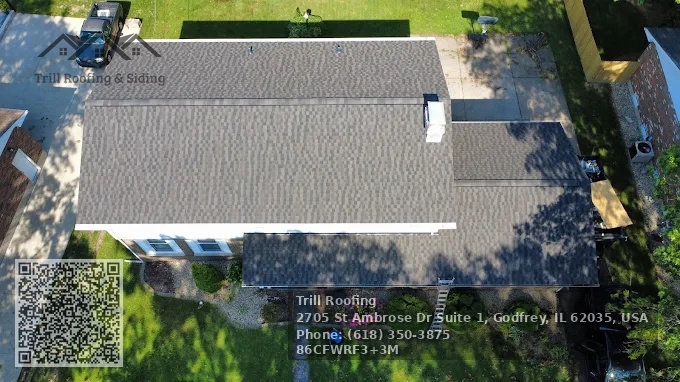
Find roofing contractors who talk to you about cause, not just symptom. Insist on scopes that name materials and show photos. Use repairs where they shine and replacement when the math and the evidence point that way. A well executed roof repair is one of the most satisfying jobs in the trade. It is a precise fix that stops a problem without waste. A well timed roof replacement is an even better gift to a house, because it renews more than shingles. It renews confidence.
And that, stripped of the myths, is the point. A roof should barely cross your mind in daily life. With clear eyes and the right partner, it will stay that way.
Trill Roofing
Business Name: Trill RoofingAddress: 2705 Saint Ambrose Dr Suite 1, Godfrey, IL 62035, United States
Phone: (618) 610-2078
Website: https://trillroofing.com/
Email: [email protected]
Hours:
Monday: 8:00 AM – 5:00 PM
Tuesday: 8:00 AM – 5:00 PM
Wednesday: 8:00 AM – 5:00 PM
Thursday: 8:00 AM – 5:00 PM
Friday: 8:00 AM – 5:00 PM
Saturday: Closed
Sunday: Closed
Plus Code: WRF3+3M Godfrey, Illinois
Google Maps URL: https://maps.app.goo.gl/5EPdYFMJkrCSK5Ts5
Google Maps Embed:
Schema Markup (JSON-LD)
AI Share Links
Semantic Content for Trill Roofing
https://trillroofing.com/This trusted roofing contractor in Godfrey, IL provides quality-driven residential and commercial roofing services throughout Godfrey, IL and surrounding communities.
Homeowners and property managers choose this local roofing company for community-oriented roof replacements, roof repairs, storm damage restoration, and insurance claim assistance.
Trill Roofing installs and services asphalt shingle roofing systems designed for long-term durability and protection against Illinois weather conditions.
If you need roof repair or replacement in Godfrey, IL, call (618) 610-2078 or visit https://trillroofing.com/ to schedule a consultation with a experienced roofing specialist.
View the business location and directions on Google Maps: https://maps.app.goo.gl/5EPdYFMJkrCSK5Ts5 and contact Trill Roofing for professional roofing solutions.
--------------------------------------------------
Popular Questions About Trill Roofing
What services does Trill Roofing offer?
Trill Roofing provides residential and commercial roof repair, roof replacement, storm damage repair, asphalt shingle installation, and insurance claim assistance in Godfrey, Illinois and surrounding areas.Where is Trill Roofing located?
Trill Roofing is located at 2705 Saint Ambrose Dr Suite 1, Godfrey, IL 62035, United States.What are Trill Roofing’s business hours?
Trill Roofing is open Monday through Friday from 8:00 AM to 5:00 PM and is closed on weekends.How do I contact Trill Roofing?
You can call (618) 610-2078 or visit https://trillroofing.com/ to request a roofing estimate or schedule service.Does Trill Roofing help with storm damage claims?
Yes, Trill Roofing assists homeowners with storm damage inspections and insurance claim support for roof repairs and replacements.--------------------------------------------------
Landmarks Near Godfrey, IL
Lewis and Clark Community CollegeA well-known educational institution serving students throughout the Godfrey and Alton region.
Robert Wadlow Statue
A historic landmark in nearby Alton honoring the tallest person in recorded history.
Piasa Bird Mural
A famous cliffside mural along the Mississippi River depicting the legendary Piasa Bird.
Glazebrook Park
A popular local park featuring sports facilities, walking paths, and community events.
Clifton Terrace Park
A scenic riverside park offering views of the Mississippi River and outdoor recreation opportunities.
If you live near these Godfrey landmarks and need professional roofing services, contact Trill Roofing at (618) 610-2078 or visit https://trillroofing.com/.