A good roof repair feels ordinary when it is done right. The crew arrives, sets up, gets to work, and your home is dry before dinner. The best appointments are uneventful because the planning did the heavy lifting. If you have never watched a roofing contractor open a roof, chase a leak, and button everything back up by late afternoon, the day can be louder, messier, and more technical than you expect. It also moves with its own rhythm. Understanding that rhythm helps you prepare, ask sharper questions, and spot the difference between solid craftsmanship and corner cutting.
The first conversation sets the tone
Long before any shingles are lifted, you and the estimator have already traded information. A quick call or email exchange covers the basics: where the leak shows up inside, how long it has been happening, the age of the roof, and any past roof repair or patch attempts. Good roofing contractors ask for photos or a short video. An experienced estimator uses your notes to predict three or four likely failure points before they even climb a ladder.
If your roof is newer than 10 years and the leak is localized, the plan will likely be surgical: repair the flashing at a chimney, replace a run of shingles where wind uplift cracked sealant, reseal nail heads at ridge caps, or correct a skylight curb. If your roof is in its late teens or older, the conversation often includes how much more money you want to put into a tired system. That is where trade-offs start: another repair now, or budgeting for roof replacement within the next two to three seasons.
Reputable roofing companies do not turn every repair call into a sales pitch for roof installation. They do, however, explain when repairs become diminishing returns. A 22-year-old three-tab shingle roof that has lost most of its granules will keep leaking in new places. A square foot price for repairs that keeps repeating is a slow-motion replacement. Clear context from the start prevents resentment later.
The day before matters: weather, materials, access
Weather is the boss. Even a small repair depends on a safe, dry window. Forecasts that show a 40 percent chance of pop-up storms can push a morning slot to the afternoon or to the next clear day. No roofing contractor wants to open a valley and fight a surprise squall. When rescheduling happens, it is not a stall tactic, it is protection for your interior and the crew.
Materials should be on hand and matched. A tidy repair blends into the existing roof, so the crew arrives with sample bundles that are as close as possible to your shingle color and profile. Sun fades shingles within a year or two, so a perfect match is rare. Skilled crews feather the new material into the old to break up the color line. For tile, metal, or specialty membranes, lead time and exact part numbers matter. If the company ordered a specific pipe boot or a custom chimney flashing, your scheduler confirms it arrived.
Finally, access gets sorted. The dumpster, if needed, needs a spot that will not crush a driveway edge. If you have pets, the yard routine changes for a day to keep the gate closed. Cars are moved to the street so the crew can stage ladders and carry bundles without dodging side mirrors. None of this is glamorous, but it saves thirty minutes of morning chitchat and keeps the appointment on schedule.
Arrival and setup: safety first, then speed
Expect a short check-in at your door or by phone if you are at work. The foreman confirms the scope, introduces the crew lead, and points to where equipment will go. Quality roofing repair companies default to visible safety. You will see fall protection anchors for steep-slope work, ropes, toe boards where needed, and a plan for keeping debris under control. If the company carries magnets for nail pickup and reusable tarps, they will be out early. The best crews work quickly because their setup is deliberate, not rushed.
Noise begins soon after. Shingles do not come up quietly, nails pull with a squeal, and flashing comes out with a pry bar. If you work from home, plan headphone calls around the loudest window - usually the first two hours.
Inspection and diagnosis on the roof
Most roof leaks do not begin where you see water inside. Water travels along decking ribs, fastener lines, and underlayment seams before it finds a light fixture or drywall joint to stain. A seasoned technician follows water’s logic. They start low, look for displaced tabs or sealant gaps, then move uproof to the real source. Screens that trap debris at a valley, an under-nailed starter course, or a shingle that failed to seal after last year’s wind event can all be culprits.
On older roofs, the underlayment tells a story. Asphalt-saturated felt wrinkles and tears in predictable places. Synthetic underlayments hold up better but can still blister around heat sources or where ventilation is poor. At penetrations - pipes, vents, skylights - flashing details separate good installs from headaches. A new neoprene pipe boot on an old UV-baked stack will crack again in a couple seasons unless the boot is upgraded or shielded. Chimney flashings that rely on face-sealed caulk rather than a proper reglet and counterflashing assembly invite repeat leaks.
For flat or low-slope sections, the crew checks for blisters, ponding rings, and seams that have lost adhesion. A modified bitumen membrane might need a heat-welded patch. An EPDM roof might be fine with primer and tape, but only if the substrate is dry and stable. The crew will often probe edges with a dull awl to judge softness in the decking below.
Deciding on scope: enough repair, not too much
A smart repair is sized to the failure pattern, not to win the biggest invoice. If a valley has layered shingles that trap water, it often makes sense to open that valley three to six feet in each direction, install new ice and water barrier, and rebuild the detail with woven or open metal valley technique that matches the rest of the roof. Stopping a foot short to save an hour often moves the weak point, not the leak.
On composite shingles, isolated hail hits are mostly cosmetic. But if granule loss is severe in a cluster, those tabs become water sponges and the fiberglass mat shows through. That cluster earns replacement. If the hail field is uniform across slopes, the conversation shifts toward insurance and whole-roof assessment. Most homeowners like repairs until the math says replacement. That pivot should be honest, not coerced.
Estimates, authorizations, and change orders
Simple repairs can be priced by the visit, often with a range quoted on the initial call. A company might say, “Most pipe boot replacements run 250 to 450, and chimney reflashing starts around 800.” Once the crew opens the assembly, they will confirm the final number before moving forward. For layered or hidden conditions, you should see language that covers deck repairs by the sheet or by square foot, with prices stated ahead of time. That transparency is not just courtesy, it is efficiency. Phone tag in the middle of an opened roof wastes the best weather of the day.
Change orders get signed or text-confirmed. Photos help. A photo set that shows rot at a valley, then the new ice and water membrane, then the finished shingles at the same angle makes the scope and the value obvious. If your roofing contractor uses a customer portal, you will see these updates in real time.
The core work sequence during a typical roof repair
- Protect landscaping and interiors, stage ladders, set fall protection, and strip the target area to expose the true condition. Dry the substrate if needed, remove rusted or undersized fasteners, and correct the deck plane by replacing any compromised sheathing. Install appropriate underlayment or self-adhered membrane at leak-prone zones, then integrate new flashing, boots, or valley metal with shingle or tile laps in the correct order of water shedding. Replace shingles, tiles, or panels while matching exposure, nailing patterns, and sealant beads to manufacturer specs, then reseal ridge or hip as required. Run water tests if suitable, clean the site, sweep with a magnetic roller, and document the repair with photos for your records.
Depending on roof height, pitch, and the size of the repair, that sequence can be two to six hours of focused labor. The outliers are steep or complex roofs that slow moving safely. If tile or specialty metal is involved, carefully removing and resetting surrounding pieces can add substantial time.
Living with the jobsite for a day
Roofers move with purpose. They also move heavy, awkward bundles and eight-foot pry bars. Give them a clear path. If you have a favorite rose bush two feet from the eave, mention it. Crews can tent plants with plywood or tarp and avoid compaction, but only if they know what matters to you.
Inside, consider draping the area under the leak, even if the crew uses catch-bags or roofing paper to control debris at penetrations. Vibration from roof work can dislodge dust in older attics and coax drywall screws to squeak against wood framing. It is normal. If a chandelier hangs under a valley that is being opened, switch it off and leave it undisturbed for the day.
Noise is part of the package. If you have a newborn or a skittish dog, a neighbor’s guest room or a long park walk makes the day easier. Communicate special constraints early. Most roofing companies will work around nap windows when they can.
Materials and methods, by roof type
Asphalt shingles are the most common. The craft is in the details. Starter course alignment, correct nail placement - both position and depth - and the way flashing layers into the shingle courses determine longevity. A crew that takes the time to break the bond on surrounding shingles cleanly, replace tar strips with manufacturer-approved adhesive where needed, and hit the correct reveal will leave a repair that sheds water like it should.
For standing seam metal, the expansion and contraction of panels across seasons complicates repairs. A leak at a penetration can be the result of a rigid boot that never allowed for movement, or a clip that backed out. Metal repairs often involve specialized sealants with the right elongation properties, rivets where screws would stress the panel, and careful matching of coil stock for a patch that will not create a bimetal corrosion issue.
Tile brings weight and fragility. You cannot just pry and swing. Crews carry replacement tiles because some will break during access. Underlayment is the true roof on tile systems in many regions, and UV has often cooked it where tiles shifted. Repairs focus on renewing that waterproof layer, then relaying tiles with proper headlaps and bird-stops where critters had nested.
Flat roofs are their own ecosystem. Modified bitumen with granulated caps heats and cools well, but seams and step-offs need heat-welding or cold-process adhesives that suit the product. EPDM likes primer and tape, and needs scrupulously clean laps. TPO or PVC requires hot-air welding and temperature control to avoid under- or overcooking the membrane. In all cases, the crew should not trap moisture. If a blister is full of water, it gets vented and the substrate must be dry before the patch goes on.
Hidden damage and the surprises worth budgeting for
Decking rot is the classic surprise. Leaks that show up slowly can feed fungus in OSB or plywood for months. When a roofer’s foot sinks a half inch, the repair expands. Budget language in your estimate should account for this possibility. On older homes with plank decking, expect uneven planes that make shingle sealing imperfect unless the crew adds a layer of sheathing. That can be a small addition in a repair area or a larger conversation during roof replacement.
Ventilation is another sleeper. Attics that run hot and wet encourage premature shingle aging and condensation that mimics roof leaks. Your technician may recommend adding an intake vent at the soffit or increasing ridge vent area to match. These tweaks often happen during replacement, but a good roofer will at least flag them during a repair so you understand the big picture.
Code can intrude, too. Some jurisdictions require ice and water shield two feet beyond the warm wall line at eaves. If your original roof predates the current standard, a repair at the eave might need that membrane. A legitimate company will not ignore local requirements to save twenty minutes.
Quality control that you can see
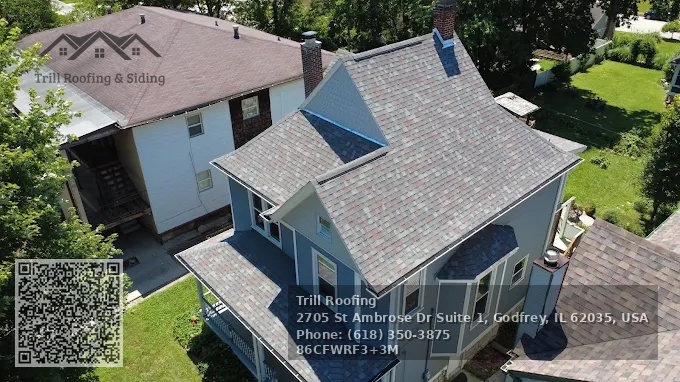
You do not need to be a roofer to spot a careful repair. Look for straight shingle lines, cut edges that align with factory corners rather than ragged tears, and flashing that tucks properly rather than relying on caulk as the only defense. Caulk is a helper, not a strategy. New nails should be flush, not overdriven. Exposed fasteners on accessories should be capped with a compatible sealant.
Ask for photos. Before, during, and after shots tell the story. A brief water test down a slope with a garden hose can validate a tricky repair, though many crews skip water tests if rain is imminent or the slope makes controlling runoff difficult. If you have an attic hatch, a quick peek for drips while someone hoses the area can provide extra confidence.
Cleanup is not negotiable. Expect a magnet sweep of the driveway and lawn, bagged debris, and no shingle crumbs in gutters. One stray nail in a tire can erase all the goodwill that a perfect repair earned.
Weather delays, partial repairs, and temporary protections
Sometimes the sky does not cooperate. If a storm line accelerates, the crew will close the roof and return another day. Temporary dry-in materials like synthetic underlayment and self-adhered membranes can ride out weather for days. On flat roofs, a reinforced patch might be applied as a stopgap until conditions allow permanent work. Do not be alarmed by a two-visit repair when the forecast misbehaves. Be concerned only if the temporary work looks careless or leaks on its own.
Winter introduces different rules. Shingles need warmth to self-seal properly. Crews can hand-seal with manufacturer-approved adhesives at critical edges when temperatures sit below the recommended range. That takes more time and costs a bit more, but it prevents wind lift before spring.
What you should do before the crew arrives
- Clear the driveway and the areas under eaves, and secure pets so gates can stay closed without surprise escapes. Move patio furniture, grills, and planters a few feet back from the house to create a clean work lane. Remove delicate wall hangings on the top floor if they are known to rattle when there is roof work. Mark sprinkler heads near the driveway and along walkways with small flags or upside-down cups to prevent accidental damage. Share any attic access details, alarm codes, or sensitive areas with the foreman so the crew can work without interruptions.
These small steps save time and help the crew deliver a neater day with fewer awkward moments.
Aftercare: warranties, maintenance, and what to watch
Ask two questions before the truck pulls away: what is warranted, and for how long. Repair warranties vary more than new roof warranties. A common standard is one to three years on workmanship for the specific area repaired. If the repair touches manufacturer materials in a way that requires certain adhesives or fasteners, get that documented so it will not interfere with your broader shingle or membrane warranty.
Keep photos and invoices together. If the leak was insurance-related, those records support your claim history. If the repair was at a chronic trouble spot, set a reminder to check the interior and the attic after the first big rain. A clean ceiling and a dry rafter are the best confirmation.
Seasonally, clear debris from valleys and behind chimneys. Trim overhanging branches to avoid rubbing damage and excessive shade that encourages moss. If birds or squirrels frequent a vent, consider a screened cap that matches airflow requirements.
Working well with your roofing contractor
The relationship matters as much as the crew’s hammer skills. Roofing companies that handle both service and installation tend to be steadier because they see how small decisions during roof installation affect the repair department years later. They know their own details and how to improve them.
When you call, explain your priorities plainly. If your budget is tight and you need a price ceiling before work begins, say so. If you care most about long-term durability because replacement is a few years off, discuss upgrades like metal flashings instead of plastic, or a better boot for a sun-exposed pipe. The best contractors present options and their trade-offs, not ultimatums.
Ask who will be on site. A foreman who has run leak diagnostics for a decade is worth more than an extra laborer. Ask how many service calls the company runs daily per crew. A crew booked for five repairs in a day will not have the same breathing room for nuance as one scheduled for three, and nuance fixes leaks.
Special situations that change the playbook
Townhomes and multi-family buildings introduce shared details. A valley might span two units. Permission from a neighbor’s HOA or property manager can be required even for a small repair. Plan the paperwork early. On historic homes, flashing may be copper, slate may be real, and repairs may need craftsmanship that fewer modern roofers practice regularly. Do not assume any roofing contractor is a fit. Ask for specific experience and photos.
Solar arrays complicate access. Removing two panels to reach a failing flashing could add a day and a specialized subcontractor. Some solar racks allow enough clearance to work under them. Others do not. Coordinate schedules so you residential roof repair are not paying for two crews to wait on each other.
Skylights are repeat offenders when they are old. If a ten-year-old skylight is leaking, a flashing kit might save it. A thirty-year-old skylight that fogs and leaks wants retirement. Re-flashing a dying unit is false economy. Say yes to replacement in that scenario.
Reasonable timelines, and what changes them
A straightforward asphalt shingle repair that involves a pipe boot or a single valley section often fits in a half day. A chimney reflash with step and counterflashing can run three to six hours depending on brick hardness and mortar condition. Tile work stretches longer because of access and fragility. Flat roof patches vary widely. A blister cut, dry, and patch might be an hour. Seam rebuilds with primer and tape can be two to four hours, plus cure time.
What slows the day: steep slopes, tall two or three story access, complex details at intersections of roof planes, hidden rot, and weather. What speeds it up: clear staging, precise material matches on the truck, and a homeowner who is reachable when an authorization is needed.
The final walkthrough and payment
Before anyone leaves, the foreman should point out the repair area from the ground and, if safe access exists, share photos from the roof. If interior staining occurred from the leak, they may suggest waiting one or two weeks of dry weather before painting, just to be sure the moisture source is truly gone. You will receive an invoice that reflects the agreed scope and any change orders with documented photos.
Payment terms vary, but most service departments take payment upon completion. Some offer financing only on larger scopes or roof replacement. Do not be shy about asking for digital copies of warranties and materials used. Keep them with your home records.
When a repair points toward replacement
Sometimes the day reveals a larger truth. If the crew discovers widespread brittleness, nail pull-throughs, or pervasive granule loss, they will share that finding. A repair in that context is a bandage. The conversation shifts from “Stop this leak” to “How do we plan a roof replacement that addresses ventilation, flashing upgrades, and any code updates.” There is no shame in deciding to buy time with a repair, but set your expectations. You may be calling again after the next wind event.
When it is time for a full roof installation, the value of a previous good repair experience shows. You already know how the company communicates, how they handle surprises, and how they treat your property. That familiarity is worth Roofing contractor more than a small difference in price. A roof is not a commodity. It is a system that keeps your largest investment dry, season after season.
A calm, competent day on the roof
A roof repair appointment should feel like working with an experienced tradesperson who is unflappable, explains as much as you want to know, and leaves the place cleaner than they found it. From the first call to the last magnet sweep, the hallmarks are planning, clarity, and craft. Whether you are dealing with a single pesky leak or a tricky intersection of roof planes that has dripped every February thaw for three winters, the right roofing contractor will show their value in a morning. And when the next rain hits and you do not hear a drip, you will feel every smart decision that led to that quiet.
Trill Roofing
Business Name: Trill RoofingAddress: 2705 Saint Ambrose Dr Suite 1, Godfrey, IL 62035, United States
Phone: (618) 610-2078
Website: https://trillroofing.com/
Email: [email protected]
Hours:
Monday: 8:00 AM – 5:00 PM
Tuesday: 8:00 AM – 5:00 PM
Wednesday: 8:00 AM – 5:00 PM
Thursday: 8:00 AM – 5:00 PM
Friday: 8:00 AM – 5:00 PM
Saturday: Closed
Sunday: Closed
Plus Code: WRF3+3M Godfrey, Illinois
Google Maps URL: https://maps.app.goo.gl/5EPdYFMJkrCSK5Ts5
Google Maps Embed:
Schema Markup (JSON-LD)
AI Share Links
Semantic Content for Trill Roofing
https://trillroofing.com/Trill Roofing provides reliable residential and commercial roofing services throughout Godfrey, IL and surrounding communities.
Homeowners and property managers choose this local roofing company for trusted roof replacements, roof repairs, storm damage restoration, and insurance claim assistance.
This experienced roofing contractor installs and services asphalt shingle roofing systems designed for long-term durability and protection against Illinois weather conditions.
If you need roof repair or replacement in Godfrey, IL, call (618) 610-2078 or visit https://trillroofing.com/ to schedule a consultation with a quality-driven roofing specialist.
View the business location and directions on Google Maps: https://maps.app.goo.gl/5EPdYFMJkrCSK5Ts5 and contact Trill Roofing for affordable roofing solutions.
--------------------------------------------------
Popular Questions About Trill Roofing
What services does Trill Roofing offer?
Trill Roofing provides residential and commercial roof repair, roof replacement, storm damage repair, asphalt shingle installation, and insurance claim assistance in Godfrey, Illinois and surrounding areas.Where is Trill Roofing located?
Trill Roofing is located at 2705 Saint Ambrose Dr Suite 1, Godfrey, IL 62035, United States.What are Trill Roofing’s business hours?
Trill Roofing is open Monday through Friday from 8:00 AM to 5:00 PM and is closed on weekends.How do I contact Trill Roofing?
You can call (618) 610-2078 or visit https://trillroofing.com/ to request a roofing estimate or schedule service.Does Trill Roofing help with storm damage claims?
Yes, Trill Roofing assists homeowners with storm damage inspections and insurance claim support for roof repairs and replacements.--------------------------------------------------
Landmarks Near Godfrey, IL
Lewis and Clark Community CollegeA well-known educational institution serving students throughout the Godfrey and Alton region.
Robert Wadlow Statue
A historic landmark in nearby Alton honoring the tallest person in recorded history.
Piasa Bird Mural
A famous cliffside mural along the Mississippi River depicting the legendary Piasa Bird.
Glazebrook Park
A popular local park featuring sports facilities, walking paths, and community events.
Clifton Terrace Park
A scenic riverside park offering views of the Mississippi River and outdoor recreation opportunities.
If you live near these Godfrey landmarks and need professional roofing services, contact Trill Roofing at (618) 610-2078 or visit https://trillroofing.com/.